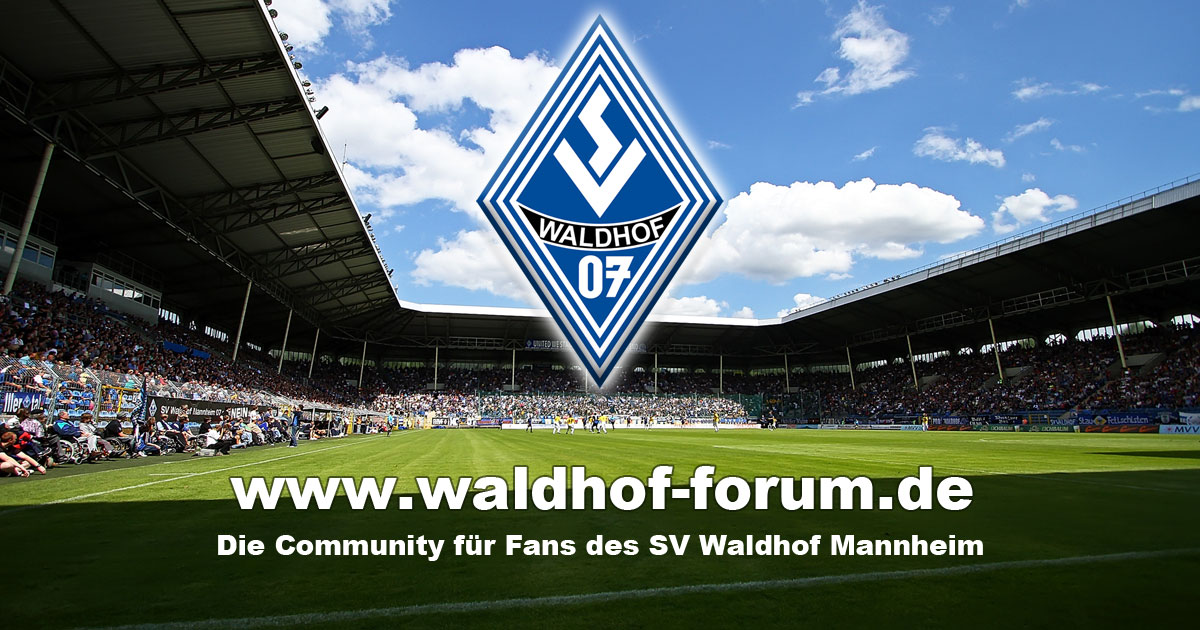
Waldhof Mannheim: The Triumphant Return of Fans to Carl-Benz-Stadion
The roar of the crowd, the vibrant sea of blue and black scarves, the collective breath held for every goal – these are the indelible hallmarks of football culture. For clubs like SV Waldhof Mannheim, steeped in tradition and supported by an exceptionally passionate fanbase, the silence of empty or sparsely populated stadiums during the pandemic was a profound challenge. However, the journey back to full capacity at the iconic Carl-Benz-Stadion has been a testament to resilience, strategic planning, and the unwavering loyalty of the
Waldhof Mannheim Zuschauer. This article delves into the critical phases of this return, from restricted numbers to a record-breaking spectacle, highlighting the deep connection between the club and its supporters.
The Gradual Reopening: From Uncertainty to 6,000 Spectators
The early months of 2022 presented a landscape of cautious optimism mixed with lingering uncertainty regarding public gatherings. German federal states (Bundesländer) were grappling with the delicate balance of public health and economic recovery, especially for sectors like professional sports. For Waldhof Mannheim, this meant navigating fluctuating regulations that directly impacted the lifeblood of the club: its fans.
Initially, the discussions in Baden-Württemberg, the home state of SV Waldhof, suggested a more conservative approach compared to some other regions. Minister President Winfried Kretschmann indicated a desire for a "middle way" in relaxing COVID-19 rules for sports and cultural events, aiming to avoid extreme openings while still allowing a degree of normalcy. This initial stance suggested that capacities might not immediately soar to pre-pandemic levels.
However, a significant breakthrough arrived with the announcement on January 28th. New Corona regulations in Baden-Württemberg permitted a notable increase in attendance: 6,000 spectators were allowed into the Carl-Benz-Stadion for Waldhof Mannheim’s home games, under strict 2G-Plus rules (requiring vaccinated or recovered individuals to also present a negative test). This news, communicated by SVW, signaled a crucial first step towards reconnecting with their loyal following. For a club that thrives on the energy of its supporters, allowing 6,000
Waldhof Mannheim Zuschauer back into the stadium was more than just an increase in numbers; it was a psychological victory and a promise of better times ahead. It provided a much-needed boost to both team morale and club finances, demonstrating a clear path forward from the darkest days of spectator restrictions.
A Swift Leap: The 10,000 Spectator "Fan-Hammer"
Just a week after the initial announcement of 6,000 spectators, the landscape for football attendance dramatically shifted once again, much to the delight of the Mannheim faithful. This rapid change showcased the dynamic nature of pandemic regulations and the proactive efforts made at various levels to facilitate a return to larger crowd numbers.
On February 4th, a truly exciting piece of news broke: the "Fan-Hammer," as it was dubbed, announced that SV Waldhof Mannheim would be permitted to host up to 10,000 spectators for their upcoming 3. Liga home match against Viktoria Berlin on February 5th. This was an astonishingly quick development, coming just hours before the match. The change stemmed from new agreements reached during inter-state discussions, which established a unified federal guideline allowing up to 10,000 attendees at major events.
SV Waldhof Mannheim acted swiftly and decisively. The club immediately submitted an application to the local authorities to increase the capacity from 6,000 to 10,000. This prompt action paid off, as the application was approved on the very same day it was filed. This demonstrates exceptional agility and a strong commitment from the club's management to maximize fan presence as soon as regulations allowed.
The suddenness of the decision, however, presented immediate logistical challenges. Due to the extremely short notice, there would be no day ticket sales for the Viktoria Berlin game. Instead, fans were directed to purchase tickets online or through the official club shop in Mannheim city centre. This required effective communication and a flexible digital infrastructure from the club. The ability to quickly adapt ticketing processes and inform the public underlined the club's operational efficiency. For the
Waldhof Mannheim Zuschauer, this "Fan-Hammer" was a monumental step, signifying a tangible move towards the vibrant matchday atmosphere they cherished and had deeply missed. It was a clear signal that the Carl-Benz-Stadion was steadily reclaiming its role as a fortress powered by its passionate support.
Beyond Expectations: The Dynamo Dresden Phenomenon and Record Attendance
While the permission for 10,000 spectators was a significant milestone, it was merely a prelude to an even more astonishing display of fan loyalty and enthusiasm. The journey from initial restrictions eventually led to a spectacular moment that etched itself into the club's recent history: the record-breaking match against SG Dynamo Dresden. By the time this highly anticipated fixture arrived, the overarching attendance caps had clearly eased further, allowing for a near-capacity crowd.
On a memorable Saturday, the Carl-Benz-Stadion was transformed into a cauldron of fervent support as 22,796 spectators poured in for the 3. Liga clash between Waldhof Mannheim and Dynamo Dresden. This figure represented the largest third-division crowd for the Kurpfälzer in over five years, dwarfing the previously celebrated 10,000 capacity. The atmosphere was electric, a powerful testament to the pent-up demand and deep-seated connection the fans have with their club. The match itself added to the euphoria, with Waldhof Mannheim securing a crucial 1:0 victory.
This colossal turnout was not just a win on the pitch; it was a win for the entire club and its community. The sheer volume of
Waldhof Mannheim Zuschauer that day propelled the club past several competitors in the nationwide attendance tables. Against the Sachsen, Waldhof Mannheim notably surpassed two 2. Bundesliga teams and a total of four clubs in the overall spectator rankings, underscoring the exceptional passion and commitment of their fanbase. This remarkable event vividly demonstrated that when given the opportunity, the supporters of Waldhof Mannheim would flock to their stadium in force, eager to stand shoulder-to-shoulder and cheer on their team. For a deeper dive into how this attendance put them ahead of rivals, you can read more at
Waldhof Mannheim's Record Attendance Puts Them Ahead of Rivals, and to relive the details of this specific match, explore
Waldhof Mannheim vs. Dresden: The 22,796 Spectator Phenomenon.
The Enduring Power of Fan Culture and Effective Club Management
The story of Waldhof Mannheim’s journey from 6,000 to over 22,000 fans in the Carl-Benz-Stadion is more than just a sequence of lifted restrictions; it’s a compelling narrative about the enduring power of fan culture and the critical role of proactive club management. This period offered valuable insights for sports organizations everywhere.
*
Resilience of the Fanbase: The rapid surge in
Waldhof Mannheim Zuschauer numbers, culminating in a record crowd, unequivocally showcased the profound loyalty and passion of the supporters. Despite periods of uncertainty and strict entry requirements (like 2G-Plus), fans remained eager to return, proving that the emotional connection to their club transcends temporary obstacles.
*
Agile Club Operations: Waldhof Mannheim’s ability to swiftly apply for increased capacities and adapt ticketing procedures (e.g., no day tickets due to short notice, prioritizing online sales) highlights efficient and responsive club administration. This agility was crucial in maximizing attendance opportunities as soon as they arose.
*
Strategic Communication: Keeping fans informed about evolving regulations, ticketing modalities, and safety protocols is paramount. Clear and timely communication helps manage expectations and ensures a smooth matchday experience, even under changing circumstances.
*
Economic and Psychological Impact: The return of significant crowd numbers has a dual benefit. Financially, it brings vital revenue through ticket sales, concessions, and merchandise. Psychologically, it restores the electric atmosphere that fuels both players and fans, re-establishing the home advantage and deepening the collective identity of the club.
Moving forward, Waldhof Mannheim can build on this momentum by continuing to foster strong fan engagement, investing in seamless digital ticketing solutions, and consistently delivering an exciting matchday experience. The lesson from this period is clear: the energy and commitment of the
Waldhof Mannheim Zuschauer are an invaluable asset, driving both success on the pitch and the prosperity of the club off it.
In conclusion, Waldhof Mannheim's journey through pandemic-era restrictions to the full-throated roar of a near-capacity stadium is a powerful reminder of football's unbreakable bond with its supporters. From the cautious allowance of 6,000 fans to the rapid jump to 10,000, and ultimately the overwhelming turnout of 22,796 against Dynamo Dresden, each step underscored the unwavering loyalty of the
Waldhof Mannheim Zuschauer. This remarkable resurgence is a testament to the club's strategic foresight, operational agility, and the profound, irreplaceable passion of its fanbase, proving that the spirit of Mannheim football truly comes alive when the stadium gates are open and the supporters fill the stands.